
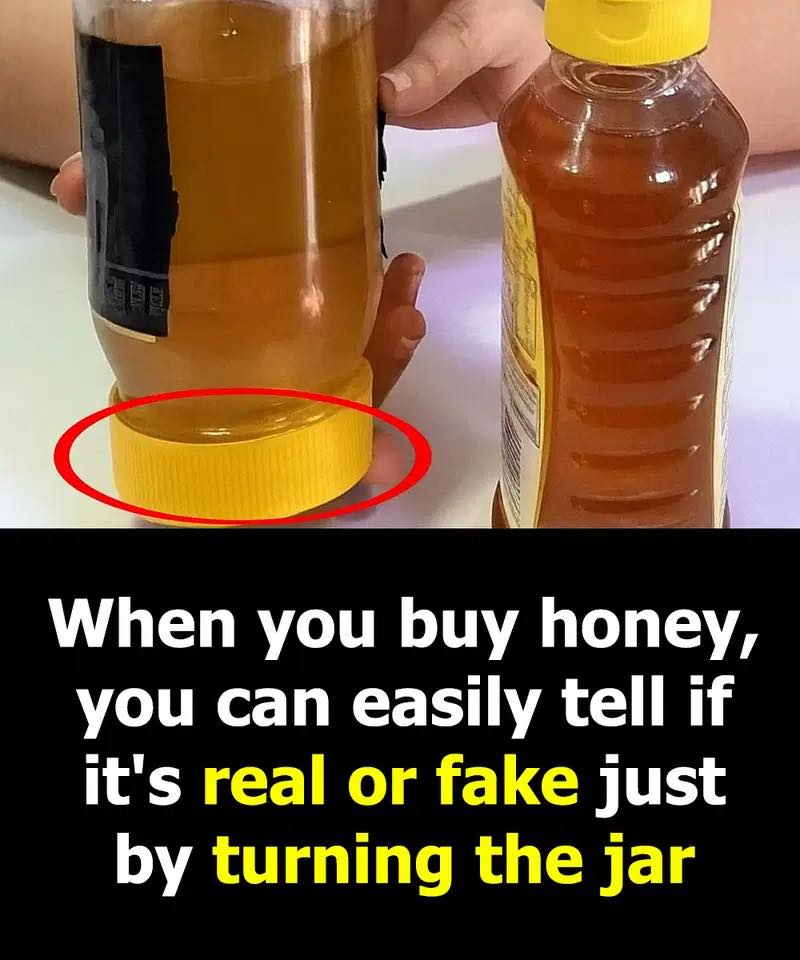
3. Crystallization Test
Pure honey tends to crystallize naturally, especially in cold climates or when the temperature drops below 14°C.
Real honey: thickens and forms small granules, without losing its properties.
Fake honey: remains liquid year-round, which may indicate heat treatment or mixing with sugars.
4. Napkin Test
Place a few drops of honey on a clean piece of napkin.
Real honey: It stays on the surface without spreading or moistening the paper.
Fake honey: It leaves a moist haze due to the presence of water or syrup.
5. Aroma, Flavor, and Texture
Aroma: Pure honey has a deep, floral scent.
Taste: It can be sweet with slight bitter notes.
Texture: Dense and slightly sticky, leaving a warm sensation in the throat.
Fake honey is usually excessively sweet, lacking aromatic nuances, and dissolves quickly in the mouth.
Tips and Recommendations
Buy honey from local producers or at fairs, where it’s easier to identify its origin.
Avoid honey that appears too runny and clear year-round.
Store honey in a cool, dry place, away from direct light, to preserve its properties.
If you’re looking for honey for medicinal purposes, choose honey from beekeepers who don’t use pasteurization processes.
Don’t use wet spoons when eating honey, as moisture encourages fermentation.
Knowing how to identify authentic honey not only ensures you enjoy its natural flavor but also reap all its health benefits. With these simple home tests, you can detect adulterations and choose a genuine, nutritious product straight from the hive to your table.
